
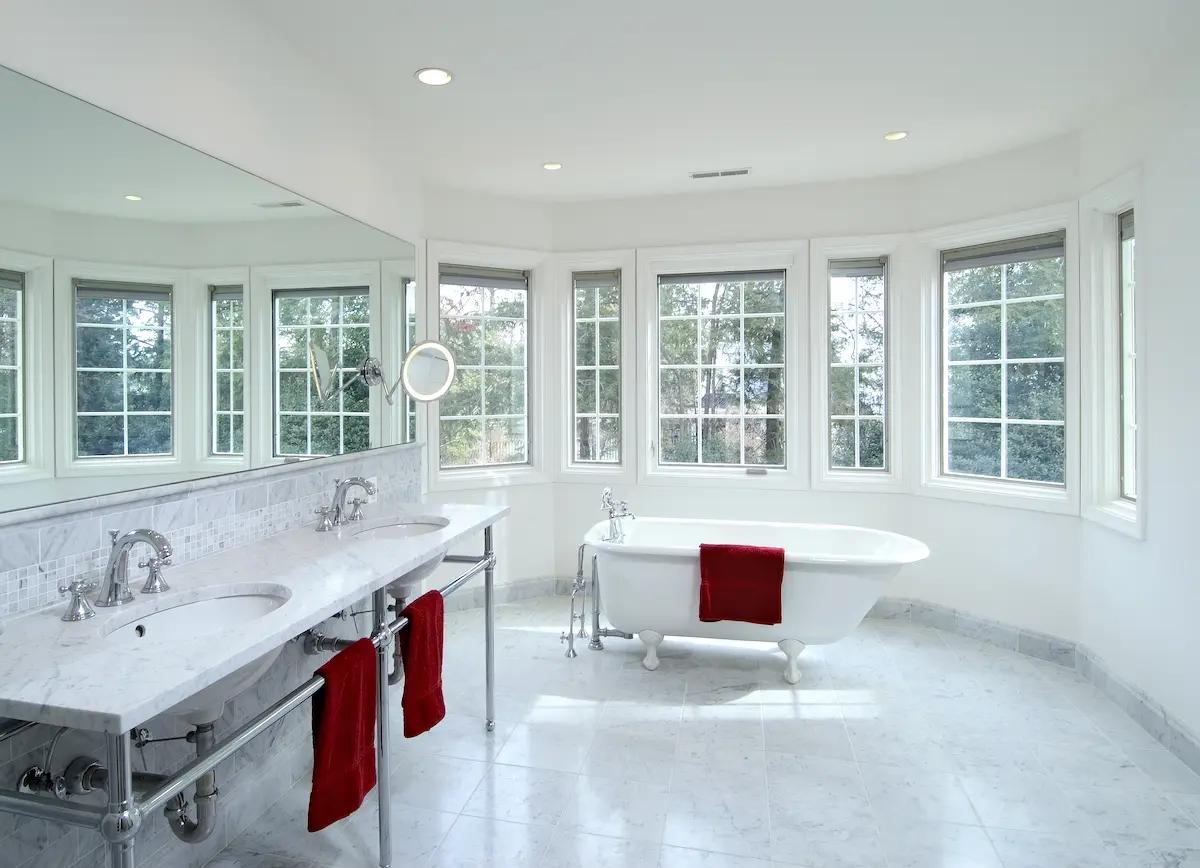
Home design is evolving, and today’s homeowners want more than just beautiful spaces. In 2026, remodeling trends across Metro DC are increasingly focused on wellness-driven design: homes that support physical health, mental clarity, and everyday comfort.
After years of spending more time at home, homeowners are realizing that thoughtful design can significantly impact how they feel each day. From improved air quality to spa-inspired bathrooms and calming natural materials, wellness-focused homes are becoming a top priority.
If you’re planning a renovation, here are the top wellness-driven home design trends shaping remodeling projects in 2026.
1. Spa-Inspired Bathrooms That Feel Like a Retreat
Bathrooms are becoming personal wellness sanctuaries rather than purely functional spaces. Many homeowners are transforming their primary bathrooms into calming environments designed for relaxation and restoration.
Popular wellness bathroom features include:
-
Steam showers or rainfall shower systems
-
Heated floors for year-round comfort
-
Natural stone and warm wood materials
-
Freestanding soaking tubs
-
Soft layered lighting
These spa-inspired spaces provide a daily escape and can significantly improve how homeowners start and end their day. Even smaller bathroom remodels can incorporate calming materials and lighting that create a peaceful atmosphere.
2. Lighting Designed Around Your Natural Rhythm
Lighting is one of the most powerful tools in wellness-focused home design. Modern systems now adjust throughout the day to support the body’s natural sleep-wake cycle.
Circadian lighting systems gradually shift color temperature and brightness—energizing light in the morning and warmer tones in the evening—to support healthier sleep patterns and overall well-being.
Beyond technology, layered lighting has also become essential in well-designed homes. Combining ambient, task, and accent lighting helps create spaces that feel balanced, calm, and adaptable throughout the day.
3. Natural Materials That Create a Calming Environment
Wellness-focused homes often rely on materials that feel authentic, warm, and connected to nature.
Across Metro DC, remodeling projects are incorporating:
-
Natural wood cabinetry and beams
-
Stone countertops and tile
-
Linen and wool textiles
-
Clay or plaster finishes
-
Earth-toned color palettes
These materials reduce visual harshness and create environments that feel grounded and comfortable rather than overly polished or sterile.
Many homeowners are also prioritizing low-VOC paints and healthier building materials, helping improve indoor air quality and creating healthier living environments.
4. Homes Designed for Better Air Quality
As wellness becomes a priority, homeowners are paying closer attention to indoor air quality and overall environmental health.
Remodeling projects increasingly include:
-
High-efficiency HVAC filtration systems
-
Improved ventilation and fresh air circulation
-
Moisture monitoring systems to prevent mold
-
Materials that reduce chemical emissions
Healthy home design focuses on eliminating pollutants and creating cleaner indoor environments where families can breathe easier.
5. Dedicated Spaces for Relaxation and Mindfulness
Another growing trend is creating spaces specifically designed for mental wellness.
Homeowners are incorporating quiet zones such as:
-
Meditation or yoga rooms
-
Reading nooks with natural light
-
Flexible wellness rooms
-
Calm corners within bedrooms or living areas
These spaces don’t need to be large. Often a quiet area with natural light, comfortable seating, and minimal distractions can create a meaningful retreat within the home.
6. Outdoor Spaces That Support Wellness
Outdoor living spaces are evolving into extensions of indoor wellness design.
In the DMV region, homeowners are creating outdoor environments that encourage relaxation, movement, and connection with nature. Popular features include:
-
Covered patios or screened porches
-
Outdoor yoga or fitness areas
-
Fire features for gathering and unwinding
-
Backyard saunas or hot tubs
-
Quiet garden seating areas
Purpose-driven outdoor zones allow homeowners to enjoy fresh air and natural surroundings throughout the day, from morning coffee to evening relaxation.
7. “Invisible Wellness” Built Into the Home
One of the most interesting trends emerging in 2026 is what designers call “invisible wellness.”
Instead of obvious health features, homes are being designed with subtle elements that improve everyday comfort—such as better acoustics, calming color palettes, smart shading systems, and natural airflow. These elements work quietly in the background to reduce stress and create a more restorative environment.
The result is a home that simply feels better to live in, even if the wellness features aren’t immediately visible.
Designing a Healthier Home in the DMV
Wellness-driven home design is not about chasing trends. It’s about creating spaces that genuinely support how you live, rest, and recharge.
For homeowners across Metro DC, thoughtful remodeling can transform a home into a place that promotes comfort, health, and connection—both now and for years to come.
Whether it’s a spa-like bathroom, a more functional kitchen, or an outdoor space designed for relaxation, the right renovation can make your home feel like your personal retreat.
Ready to Create a Wellness-Focused Home?
At Tabor Design Build, we help homeowners throughout Metro DC design homes that are both beautiful and deeply livable.
If you’re considering a remodel and want to incorporate wellness-focused design into your home, our team would love to guide you through the process.
Schedule a consultation with Tabor and start creating a home designed for how you want to live.